OptiMIM Announces Official Opening of OptiMIM Global Manufacturing Facility in India
New facility strengthens global manufacturing capabilities through the strategic joint venture between OptiMIM and Vasantha Tool Crafts Pvt. Ltd.
CHARLOTTE, N.C., July 21, 2026 /PRNewswire/ -- OptiMIM, a Form Technologies company, announces the official opening of the OptiMIM Global manufacturing facility in India, marking a significant milestone in the company's continued global expansion and regional manufacturing strategy.
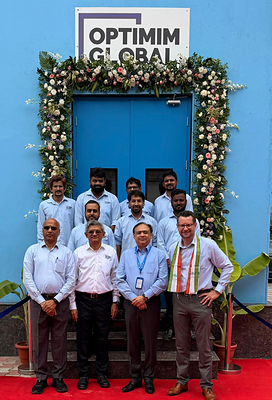
The facility, established through the strategic joint venture between OptiMIM and Vasantha Tool Crafts Pvt. Ltd. is designed to support customers across the world with advanced metal injection molding (MIM) solutions, localized engineering collaboration, and integrated tooling expertise.
The launch strengthens OptiMIM's global manufacturing footprint while enhancing regional customer support capabilities through the combination of OptiMIM's precision MIM expertise and Vasantha's established tooling and manufacturing capabilities.
"Our vision for OptiMIM Global was to create a strong regional manufacturing and engineering presence that allows us to better support customers across Asia and Europe while complementing our existing global operations," said Marc Riquelme, President of OptiMIM and Signicast. "The official opening of this facility represents an important step in expanding our ability to deliver global advanced MIM solutions to customers in key growth markets."
Dayanand Reddy, Managing Director, Vasantha Tool Crafts added, "We are excited to join forces with OptiMIM to push the boundaries of MIM technology. Our complementary strengths in high-precision manufacturing and innovative design will drive new possibilities for our customers across various industries."
The India facility will support a range of industries including medical, automotive, consumer electronics, industrial, and aerospace applications. By combining advanced MIM manufacturing capabilities with integrated tooling support, OptiMIM Global is positioned to provide customers with enhanced collaboration, regional responsiveness, and scalable production support throughout the product lifecycle.
The opening of OptiMIM Global reflects the company's continued investment in innovation and advanced precision metal injection molding. With its expanded manufacturing capabilities, OptiMIM Global is well positioned to help customers accelerate the development and production of complex, high-performance components.
About OptiMIM
OptiMIM, a Form Technologies company, is a leading provider of advanced metal injection molding (MIM) solutions, delivering high-performance precision components for demanding applications across the medical, automotive, consumer electronics, industrial, and aerospace industries. Combining advanced materials expertise with state-of-the-art manufacturing technologies, OptiMIM supports customers globally with scalable, high-quality production solutions. Learn more at OptiMIM.com.
About Vasantha Tool Crafts Pvt.Ltd.
Vasantha Tool Crafts Pvt. Ltd., established in 1989 in Hyderabad, India, is a leader in high-precision plastic injection molds and metal injection molding (MIM) solutions. Serving industries such as FMCG, healthcare, and consumer durables, the company has delivered over 4,000 Class 101 molds worldwide. Vasantha's advanced manufacturing capabilities include robotic automation, 3D metal printing, and in-house vacuum heat treatment. The company operates five state-of-the-art facilities across three continents. For more information, visit vasantha.com.
About Form Technologies
Form Technologies is a global manufacturing group focused on advanced precision component solutions through its portfolio of leading brands, including Dynacast, Signicast, and OptiMIM. For more information, visit formtechnologies.com.
MarketingFormTechnologies@formtechnologies.com

 View original content to download multimedia:https://www.prnewswire.co.uk/news-releases/optimim-announces-official-opening-of-optimim-global-manufacturing-facility-in-india-302831066.html