MediSun Energy and JA Sign Ecosystem MoU at DRT SHOW Chengdu to Build Zero-Carbon Water Systems for Island and Coastal Environments
CHENGDU, China, Aug. 3, 2026 /PRNewswire/ -- MediSun Planet Pte Ltd ("MediSun Energy"), a leader in integrated water technology, signed an Ecosystem Partnership Memorandum of Understanding (MoU) today with JA at the DRT SHOW Chengdu International Diving & Resort Travel Expo ("DRT"). The collaboration aims to pioneer a zero-carbon water ecosystem using VASAR—MediSun's miniaturised seawater desalination solution—to address the dual challenges of water scarcity and low-carbon development in island and coastal environments.
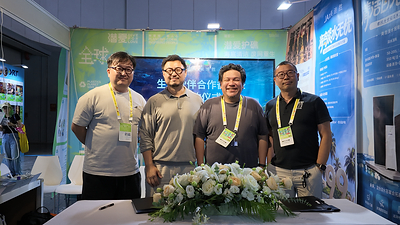
By cross-integrating photovoltaic (PV) technology with miniaturised seawater desalination, the two companies will deliver an integrated "PV + Energy Storage + Smart Energy + Seawater Desalination + ESG" framework. This joint offering directly targets the "three highs" long plaguing remote island infrastructure: high energy consumption, high carbon emissions, and high operating costs.
The partnership seamlessly combines the highly complementary capabilities of both industry leaders:
- JA will provide foundational green power capabilities through its JAx ecosystem platform, deploying integrated PV, battery energy storage, and smart energy systems alongside digital, ESG, and market branding support.
- MediSun Energy will deliver its VASAR series—a breakthrough in miniaturised seawater desalination that condenses industrial-grade water production into a compact footprint—supplying technical specifications and operational expertise for coastal and island deployments.
Off-grid islands and marine conservation zones far from mainland power grids face immense operational hurdles. Traditional municipal plants and grid expansions are prohibitively expensive, rainwater collection is weather-dependent, and diesel-powered desalination creates heavy carbon footprints while risking fuel pollution at sea.
By pairing solar power with MediSun Energy's VASAR miniaturised desalination units, the joint solution eliminates the need for land-heavy civil works, fossil fuel generators, or traditional grid connections. The system purifies seawater on-site with zero carbon emissions, lower operating expenses, and measurable ESG value.
Joseph Chua, President & Co-Founder of MediSun Planet Pte Ltd, stated: "Remote islands and fragile coastal eco-zones are on the front lines of water scarcity and climate vulnerability. Traditional desalination requires extensive land, permits, grid access, and massive infrastructure—the problem was never the membrane, but everything built around it. By miniaturising seawater desalination into our compact VASAR systems and pairing them with JA's world-class renewable energy platform, we are delivering an end-to-end, zero-carbon solution that guarantees long-term water security while protecting marine ecosystems."
Sure Liu, JA's Chief Sustainability Officer and President of Global Brand & Marketing, added: "Through our open JAx ecosystem platform, JA is committed to moving beyond standalone PV products to build integrated 'PV + Storage + Smart Energy' solutions across diverse industries. Partnering with MediSun Energy allows us to extend clean power directly into essential water infrastructure, creating a scalable, zero-carbon model for island development, eco-tourism, and coastal conservation globally."
The agreement marks a key milestone in expanding renewable energy applications into critical water infrastructure, providing a standardized blueprint for low-carbon upgrades, sustainable tourism, and global energy transition.
About MediSun Energy
MediSun Energy is a Singapore-headquartered water infrastructure company that delivers water as a product: factory-built, modular plants deployed in weeks and run by AI. Its platform spans clean water, brine recovery, compact sewage treatment and portable water systems, serving government and industrial programmes across the Gulf and Southeast Asia.
About JA
JA is a global leader in high-performance photovoltaic (PV) products, integrated green energy systems, and solar technology R&D. Through its JAx industry solutions platform, JA collaborates with industry-leading partners across cultural tourism, agriculture, and industrial sectors to drive low-carbon upgrades and advance global sustainable development.
 View original content to download multimedia:https://www.prnewswire.co.uk/news-releases/medisun-energy-and-ja-sign-ecosystem-mou-at-drt-show-chengdu-to-build-zero-carbon-water-systems-for-island-and-coastal-environments-302841007.html