Dirty Business Campaigner Ashley Smith and Barrister Paul Powlesland Discuss Thames Water Crisis on "People vs Sewage" Podcast
Newsroom Summary
The investigative podcast People vs Sewage has launched its dedicated YouTube channel, marking the programme's wider public rollout following an initial soft launch in December 2025. The first episode features environmental campaigner Ashley Smith, whose work inspired the Channel 4 drama Dirty Business, and environmental barrister Paul Powlesland discussing the financial and regulatory structures behind pollution affecting England's rivers.
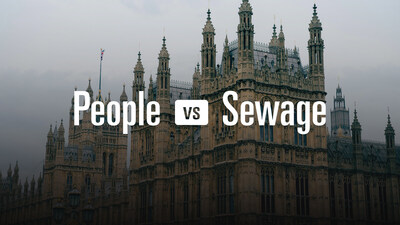
LONDON, March 6, 2026 /PRNewswire/ -- The investigative podcast People vs Sewage, hosted by writer and commentator Philip Greenwood, has launched its dedicated YouTube channel this month, marking the programme's wider public rollout following an initial soft launch in December 2025.

The programme opens with an episode featuring environmental campaigner Ashley Smith, whose work helped inspire the recent Channel 4 drama Dirty Business, alongside environmental barrister Paul Powlesland.
The discussion examines the financial and regulatory structures governing England's privatised water industry and their relationship to sewage pollution affecting rivers across the country.
The rollout comes at a significant moment for the UK water sector as policymakers debate responses to the deepening crisis at Thames Water, whose complex financing structure and heavy debt burden have intensified scrutiny of both the company and the wider regulatory framework overseeing England's water utilities.
Options currently under discussion include the possible use of Special Administration under existing legislation or broader structural reform of the sector, including proposals for nationalisation.
The debate has also highlighted divisions within parts of the environmental movement over how the crisis should be resolved. Some campaigners support the use of Special Administration as an emergency mechanism for Thames Water, while others argue the situation demonstrates the need for more fundamental reform through full public ownership of water infrastructure.
Smith is a former Detective Superintendent with Thames Valley Police, where he served in anti-corruption and serious crime roles before becoming a leading campaigner on river pollution after investigating sewage discharges affecting the River Windrush.
His investigation helped bring national attention to the issue and inspired the Channel 4 drama Dirty Business, which dramatises the growing controversy surrounding sewage pollution in England's rivers.
Speaking on the podcast, Smith argued that structural issues within the current water industry model have contributed to ongoing environmental problems.
"The privatised water system was flawed from the outset. Over time it has developed into a structure where pollution can continue while accountability remains limited," said Ashley Smith.
Powlesland said the scale of the problem remains poorly understood by much of the public.
"The majority of people do not realise how severe the sewage pollution problem has become. Rivers across England are affected, and the regulatory system has struggled to keep pace with the scale of the issue," said Paul Powlesland.
During the discussion, Powlesland also proposed what he described as a national "sewage doomsday" survey, drawing on the historical concept of the Domesday Book as a comprehensive national survey.
"What the country needs is effectively a sewage 'Domesday Book' - a national effort to map every outfall and discharge point so we can understand the true scale of pollution in our rivers," said Paul Powlesland.
The proposal reflects concerns that the true extent of sewage pollution remains poorly documented, with many discharge points and pollution sources not comprehensively recorded within existing regulatory datasets.
The call for a "sewage doomsday" survey was first raised during the People vs Sewage episode and has since begun circulating more widely in public debate. On 5 March 2026, Zack Polanski referenced Powlesland's proposal during a discussion with environmental campaigner Fergal Sharkey on Polanski's podcast Bold.
Host Philip Greenwood said the podcast aims to provide a long-form platform examining the deeper structural drivers behind the crisis.
"The sewage pollution crisis raises broader questions about how essential infrastructure is financed, regulated and governed. The aim of the podcast is to bring together campaigners, legal experts and policy specialists to examine those questions in depth," said Philip Greenwood.
Future episodes of People vs Sewage will explore topics including sewage discharge regulation, water company debt structures, infrastructure investment challenges and proposals for reform of environmental enforcement.
Watch the Podcast
YouTube
https://www.youtube.com/@PeopleVSSewage
Listen to the Podcast
Spotify
https://open.spotify.com/show/5Lk7N0d48AdTJwFQmoYufZ
Apple Podcasts
https://podcasts.apple.com/gb/podcast/people-vs-sewage/id1858014703
About People vs Sewage
People vs Sewage is an independent investigative podcast examining the financial, regulatory and political structures behind sewage pollution in England's rivers. Hosted by writer and commentator Philip Greenwood, the programme brings together campaigners, legal experts and policy specialists to explore the systemic causes of pollution and the future governance of the UK water system.
Media Contact
People vs Sewage
Email: peoplevssewage@gmail.com
Photo - https://mma.prnewswire.com/media/2927956/People_Vs_Sewage_1.jpg
Photo - https://mma.prnewswire.com/media/2927957/People_Vs_Sewage_2.jpg
Photo - https://mma.prnewswire.com/media/2927958/People_Vs_Sewage_3.jpg
 View original content to download multimedia:https://www.prnewswire.co.uk/news-releases/dirty-business-campaigner-ashley-smith-and-barrister-paul-powlesland-discuss-thames-water-crisis-on-people-vs-sewage-podcast-302706577.html

,regionOfInterest=(955,281)&hash=27c131b7533e2d4916860cc04ae4112762ad11c6c6490fc505e779e190a65bcd)