ASF Launches Nicotine Pouch Brand 'LOOP' in South Africa, Expanding Across Africa
'LOOP' to launch in key metropolitan areas including Johannesburg and Cape Town, with broader distribution planned across South Africa
SEOUL, South Korea, Aug. 3, 2026 /PRNewswire/ -- ASF(Another Snus Factory), a leading nicotine pouch manufacturer, announced the launch of its flagship nicotine pouch brand, LOOP, in South Africa.
Headquartered in Sweden, ASF specializes in nicotine pouches and has established a strong market presence across the Nordic region, including Sweden, Norway and Iceland, through its flagship brand, LOOP. The brand is recognized for its distinctive flavor combinations that blend spicy notes with fruit and mint, along with a diverse range of nicotine strengths designed to meet varying adult consumer preferences.
Through its local import and distribution partner, Venture South (Pty) Ltd, ASF will initially introduce LOOP in key metropolitan areas across South Africa, including Johannesburg and Cape Town. The company plans to progressively expand its distribution network and retail footprint based on consumer demand and market response.
The initial rollout features three distinct products: LOOP Jalapeño Lime Hyper Strong, LOOP Red Chili Melon Hyper Strong, and LOOP Habanero Mint Hyper Strong, each showcasing unique flavor combinations such as lime, melon and mint.
South Africa is the largest nicotine pouch market in Africa and the continent's largest economy, making it a strategically important market for ASF's long-term growth. As demand for nicotine pouches continues to grow, ASF aims to strengthen LOOP's market presence in South Africa while using the country as a strategic gateway for further expansion across Africa and other high-growth international markets.
"South Africa offers significant long-term growth potential and represents a strategically important market for our expansion across Africa," said an ASF spokesperson. "Building on LOOP's strong brand equity and our global commercial capabilities, we will continue strengthening our international presence while expanding into new markets."
ASF was acquired in December 2025 through a joint investment by KT&G and U.S. tobacco company Altria. KT&G, the manufacturer of the globally recognized ESSE brand, is Korea's leading manufacturer of Combustible Cigarettes, Next Generation Products (NGP), and health functional foods. The company markets approximately 870 brands in 148 countries worldwide.
The acquisition of ASF marks KT&G's strategic entry into the rapidly growing global nicotine pouch category, further diversifying its business portfolio. Going forward, KT&G will continue strengthening its global competitiveness by expanding its core businesses, including nicotine pouches and other Next Generation Products (NGP) categories.
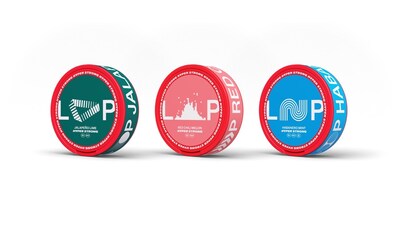
Photo - https://mma.prnewswire.com/media/3008584/image1.jpg
Photo - https://mma.prnewswire.com/media/3008583/image2.jpg
 View original content:https://www.prnewswire.co.uk/news-releases/asf-launches-nicotine-pouch-brand-loop-in-south-africa-expanding-across-africa-302840754.html